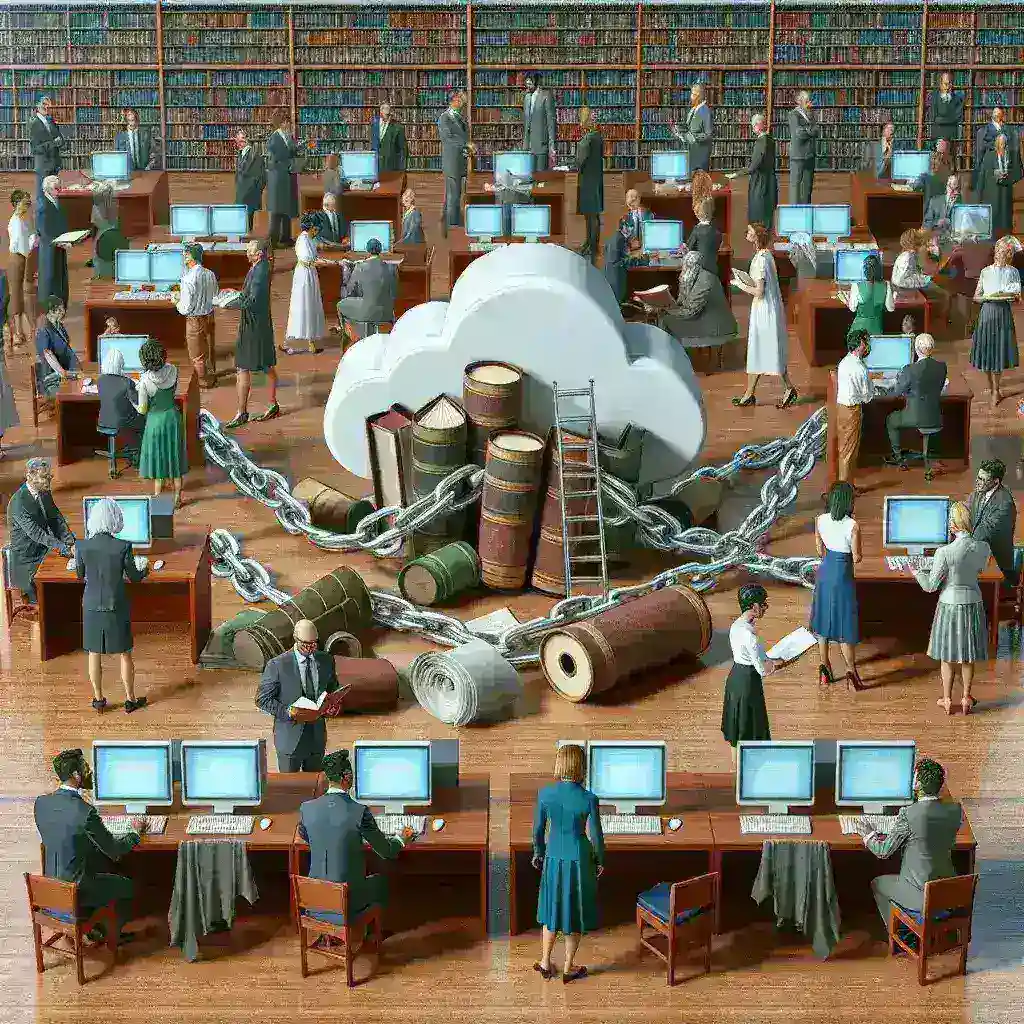
Understanding Link Rot in Historical Archives
Link rot refers to the phenomenon where hyperlinks on web pages become non-functional over time, leading to the loss of valuable digital content. This issue poses a significant threat to historical archives, which rely heavily on web-based resources to preserve and share historical data. As we move further into the digital age, the importance of addressing link rot has become paramount for archivists, historians, and researchers alike.
The Importance of Digital Preservation
Digital preservation encompasses a range of strategies and actions designed to ensure that digital content remains accessible and usable over time. Given the transient nature of web content, preservation initiatives are essential for safeguarding historical records. These initiatives help to:
- Maintain Access: Ensuring that future generations can access historical documents, images, and websites.
- Enhance Research: Providing researchers with reliable sources of information that are critical for understanding the past.
- Support Cultural Heritage: Preserving the digital legacy of communities, ensuring that diverse narratives are represented.
Historical Context of Link Rot
Link rot has been an issue since the early days of the internet. As websites are updated, restructured, or taken down, their URLs become invalid. In the context of historical archives, this is particularly problematic, as researchers often rely on specific online references to access archival materials. A study conducted by the Library of Congress revealed that over time, more than 50% of web pages cited in academic literature become unavailable, highlighting the urgent need for preservation measures.
Strategies to Combat Link Rot
Various digital content preservation initiatives have emerged to address link rot in historical archives. Here are some of the most effective strategies:
1. Web Archiving
Web archiving involves capturing and storing web pages to preserve their content for future access. Organizations like the Internet Archive have developed robust web archiving tools that allow users to create snapshots of web pages. These snapshots can be stored and accessed later, providing a safeguard against link rot.
2. Digital Object Identifiers (DOIs)
DOIs are unique alphanumeric strings assigned to digital content, making it easier to locate and access that content over time. By using DOIs, historical archives can ensure that their digital resources remain accessible, even if the original URLs change.
3. Collaborative Initiatives
Many libraries and archives have started collaborating on digital preservation initiatives. By pooling resources and expertise, these institutions can create more comprehensive preservation strategies. For example, the National Digital Stewardship Alliance works to promote the preservation of digital content through collaboration and knowledge sharing.
4. Regular Audits and Updates
Conducting regular audits of digital collections helps identify broken links and outdated content. By periodically updating resources and replacing or fixing broken links, archives can maintain the integrity and usability of their digital offerings.
5. Utilizing Persistent Links
Persistent links are stable URLs that remain unchanged over time. By using these links in digital archives, institutions can help mitigate the effects of link rot, ensuring that users can access the intended content consistently.
Challenges in Digital Preservation
While digital preservation is critical, it is not without its challenges. Some of the main obstacles faced by historical archives include:
- Resource Limitations: Many archives struggle with limited funding and staffing, making it difficult to implement comprehensive digital preservation strategies.
- Technological Changes: The rapid pace of technological advancements can render certain formats or storage methods obsolete, necessitating constant updates and adaptations.
- Legal and Ethical Issues: Navigating copyright and intellectual property laws can complicate the preservation of digital content, particularly when it involves historical or cultural materials.
The Future of Digital Preservation
As we look ahead, the future of digital preservation appears promising, with various advancements and trends emerging:
1. Increased Automation
With the rise of artificial intelligence and machine learning, we can expect greater automation in digital preservation efforts. Automated tools can help identify and archive content more efficiently, reducing the burden on archivists.
2. Enhanced Collaboration
As awareness of the importance of digital preservation grows, more organizations will likely collaborate on preservation initiatives. This united front will strengthen efforts and broaden the reach of preservation activities.
3. Greater Emphasis on Education
Increased focus on educating archivists, librarians, and researchers about digital preservation techniques will lead to more effective strategies being implemented across the field. Educational programs and workshops will play a crucial role in this regard.
4. Innovations in Technology
Emerging technologies such as blockchain may revolutionize how we approach digital preservation by providing secure and immutable records of digital content, making it easier to manage and maintain accessibility over time.
Conclusion
Digital content preservation initiatives are crucial for addressing link rot in historical archives. By implementing a combination of web archiving, persistent links, and collaborative efforts, organizations can safeguard valuable digital resources for future generations. As technology continues to evolve, so too will the methods employed to ensure our digital heritage remains intact and accessible. The stakes are high, and the responsibility lies with archivists, historians, and all stakeholders involved to take proactive steps towards preserving our collective memory in the digital realm.
Leave a Reply